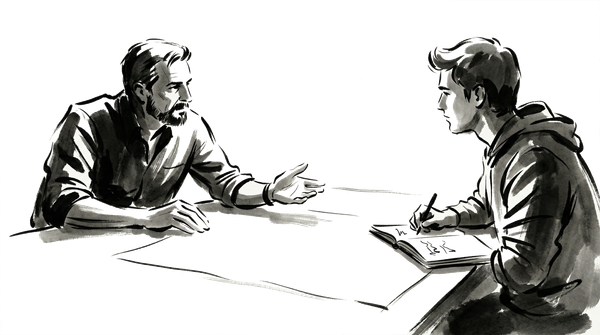
When Mentoring Goes Wrong
The better an expert is at their job, the harder they can be to learn from. When a senior engineer and a junior one clash, neither is being difficult. Both brains are defending a self-model the disagreement keeps poking at.


The better an expert is at their job, the harder they can be to learn from. When a senior engineer and a junior one clash, neither is being difficult. Both brains are defending a self-model the disagreement keeps poking at.
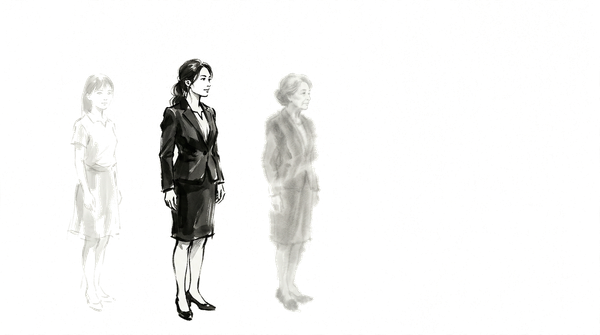
There's a version of you living in your head, with a job title, a reputation, and a set of things it's supposed to want. That version isn't you. It's a story. And most of it was written by someone else.
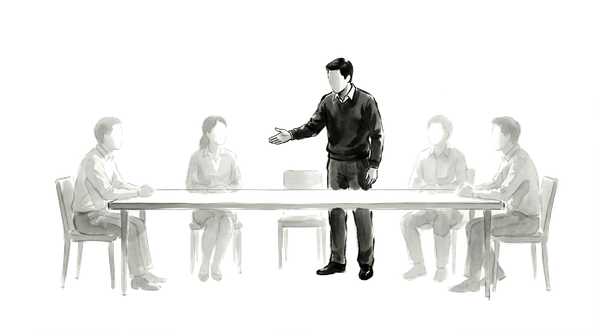
Silence in a meeting isn't agreement, it's your team's nervous system correctly predicting that honesty is unsafe. Fixing it means redesigning the prediction loop, not asking for more courage.
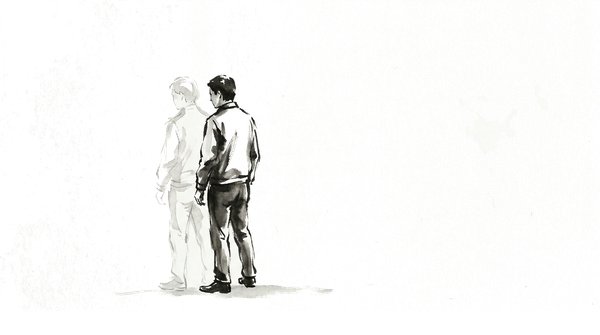
When a project fails, almost before the dust settles, it stops being about the project. Your brain turns it into a verdict about you. That feeling is real, but it's not telling you what you think it is.
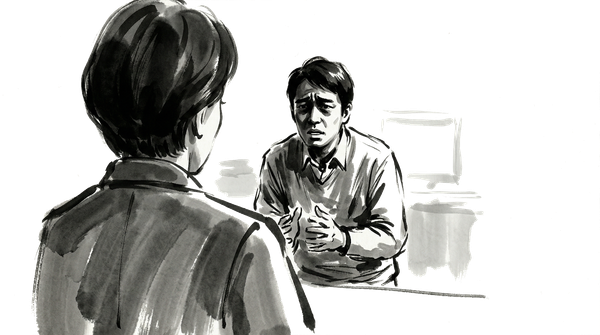
When a project is in crisis, the instinct is to look to your manager for reassurance. But she's stuck too, and the relief you're looking for isn't in her hands.

Criticism doesn't just sting, it activates the same neural circuits as physical pain. Understanding that isn't just interesting; it's what lets you actually use feedback instead of just surviving it.
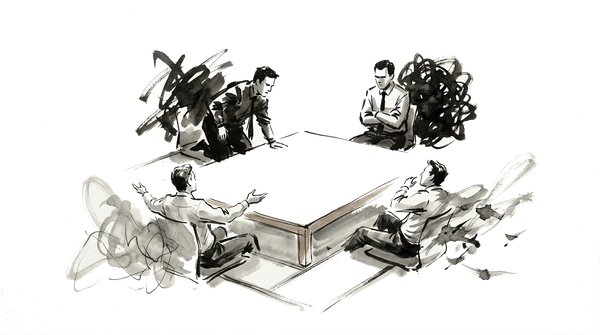
You walked out of the meeting feeling good. Your colleague is convinced it was a disaster. Same room, same conversation, completely different realities, and neither of you is wrong.
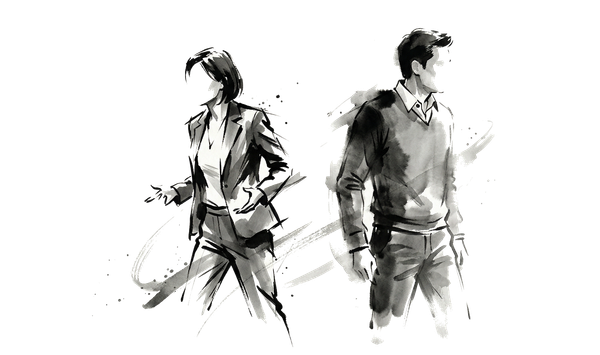
When a colleague argues hard against a well-supported idea, the reasons are often a threat prediction made experiential. Understanding what they're protecting gets you further than winning the debate.
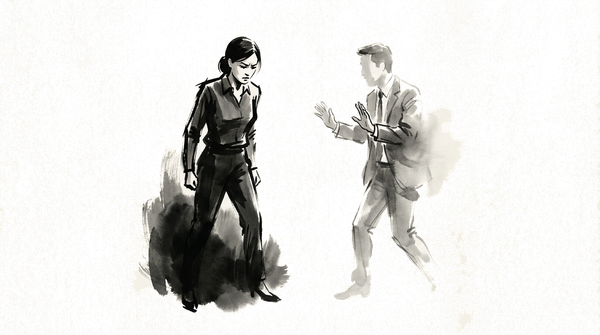
Marcus gave the same blunt feedback to four engineers. Three took it in stride, one even pushed back and made it better. One is sitting in your office, upset. The discomfort is real; the interesting question is what it's tracking.

Your best person reviews a proposal, spots a fatal flaw in 30 seconds, and can't explain how they saw it. Deep expertise isn't stored as instructions, it's baked into the nervous system as automatic pattern recognition that operates below conscious thought.
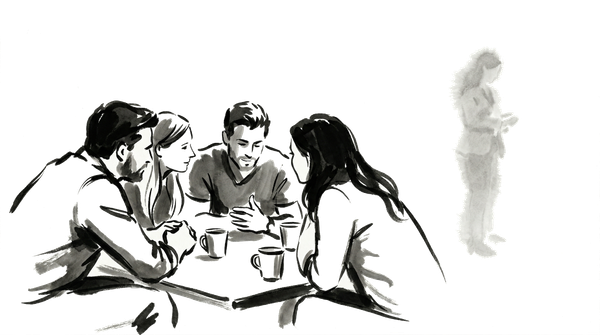
When a manager makes an unpopular call, the group indignation that follows isn't a character flaw. It's your brain predicting a social threat and building righteous certainty to match, which is exactly what makes it so hard to think clearly through.
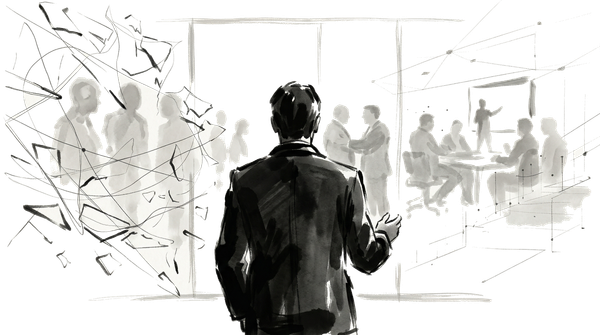
You didn't get the promotion, and your brain is already writing the story about why. That story feels like processing, but it's mostly protecting. And it might be keeping you exactly where you are.